Legal Requirements for Waste Management Rooms and Source Separation 2025-2027
This guide concerns Swedish laws and regulations, not Danish or Norwegian requirements.
New legal requirements place higher demands on waste management in multi-dwelling buildings. In recent years, requirements for property source separation and waste management rooms have been significantly tightened. Here you get a complete overview of what applies and how you ensure that your property meets all requirements.
Tightened Requirements for Waste Management 2025
In recent years, the requirements for property waste management have been significantly tightened. This development continues in 2025, and for many property owners and housing cooperatives, this means having to review spaces, flows, and systems for source separation.
A well-planned waste management room is today not just a practical tool – it is in many cases a necessity to comply with legislation and municipal guidelines. Proper planning now saves both time and money in the future.
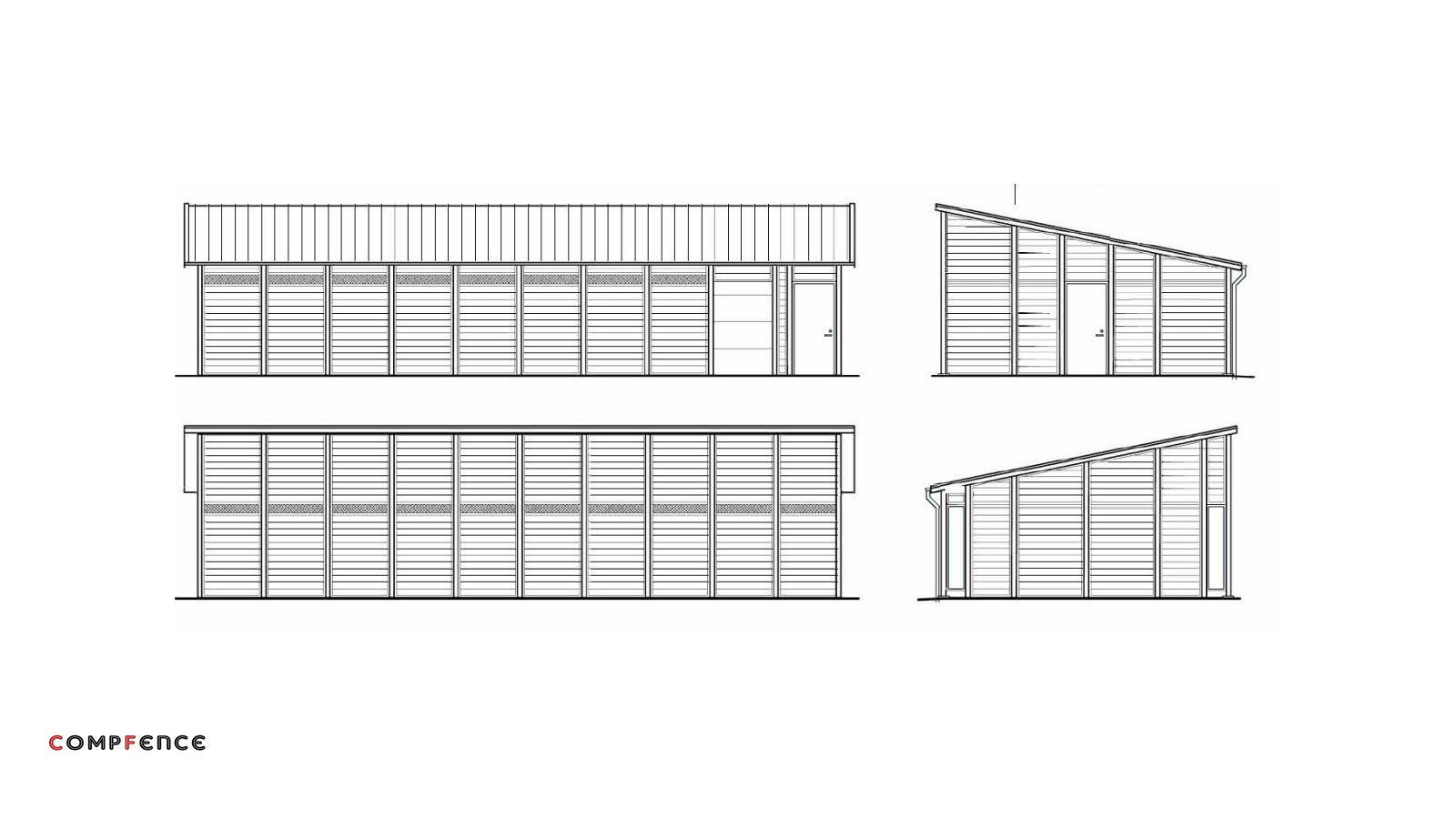
Important Legal Requirements to Know
Property-close collection
Sorting must take place as close to the home as possible according to new national requirements
More fractions
Separation of plastic, paper, metal, glass (colored/uncolored), food waste and residual waste
By 2027 at the latest
All multi-dwelling buildings must have adapted their systems for source separation
Municipal guidelines
Local regulations govern distance, accessibility and maintenance requirements
Property-close Collection – New Requirements 2024-2027
Already in 2024, new requirements began to apply to the sorting of packaging waste in multi-dwelling buildings. This involves plastic, paper, metal, glass (separated into colored and uncolored), food waste and residual waste. The starting point is that sorting should take place as close to the home as possible – what is often called property-close collection.
Important date: 2027
By 2027 at the latest, all multi-dwelling buildings must have adapted their systems for this. This does not only mean more bins – it also places demands on accessibility, clear signage and practical solutions that work in everyday life for both residents and sanitation staff.
What Does It Mean in Practice?
For property owners, this means that a generic garbage room in the basement is no longer enough. Environmental houses have become an obvious solution, where both function and hygiene can be ensured over time. It is not just about making room for more fractions, but about planning for:
- Good airflow and ventilation to avoid odors
- Manageable logistics for emptying and maintenance
- Effective protection against pests
- Simple and clear sorting for residents
- Sufficient space for all fractions
We see that many housing cooperatives and property companies that are at the forefront are already rebuilding or building new – often with modular systems that can be adapted over time as new needs arise. This provides both better order and reduces operating costs in the long run.
Laws, Regulations, and Municipal Guidelines
It is not only national rules that govern. In practice, it is often the municipality's waste regulations that set the framework for what applies. These can vary between different municipalities and regulate, among other things:
Important to know
Familiarizing yourself with the local regulations is crucial when planning a new miljöhus or källsorteringshus. Different municipalities may have different requirements regarding, for example, distance, accessibility, and the number of fractions. We are happy to help navigate the regulatory framework for your specific municipality.
Is Your Property Ready for the New Legal Requirements?
It is easy to postpone investments in waste management. However, the new rules make it clear that proactive work pays off. Waiting until the last minute often means both higher costs and a stressful transition.
By acting in time, and building correctly from the start, you get a solution that lasts for the future – legally, economically, and practically. A well-planned miljöhus not only meets today's requirements but is also prepared for future changes.
Do You Need Help Meeting Legal Requirements?
We help you review how your property is positioned based on current and future requirements. Contact us for a review and a tailored quote for an environmental building that meets all legal requirements.
Contact us for adviceExamples of Waste Rooms that Meet Legal Requirements
See how our miljöhus help properties meet the new requirements for waste sorting and waste management.
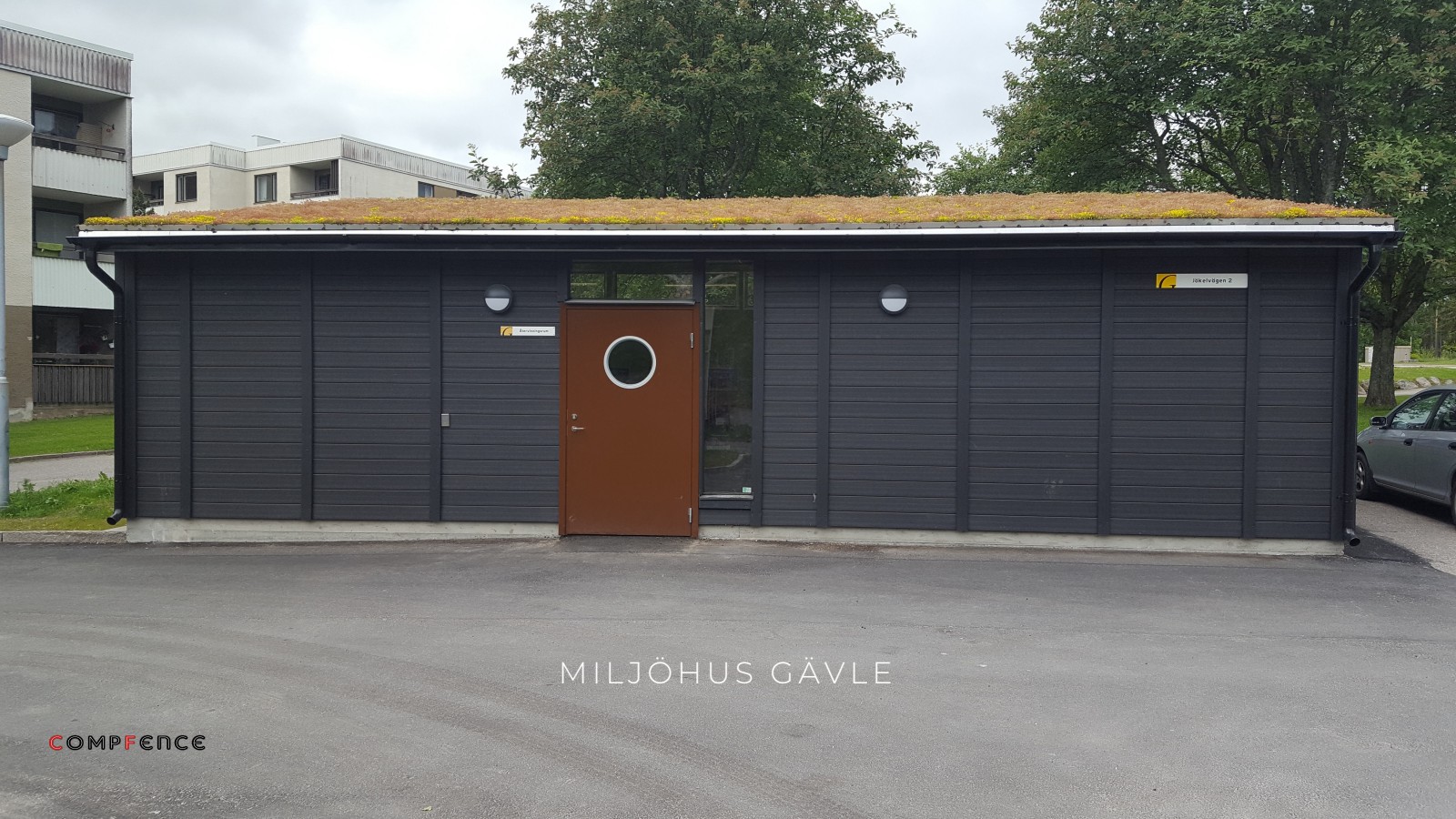
Gävle Project
Large recycling house for multi-family buildings that meets all requirements for property-close collection with multiple fractions.
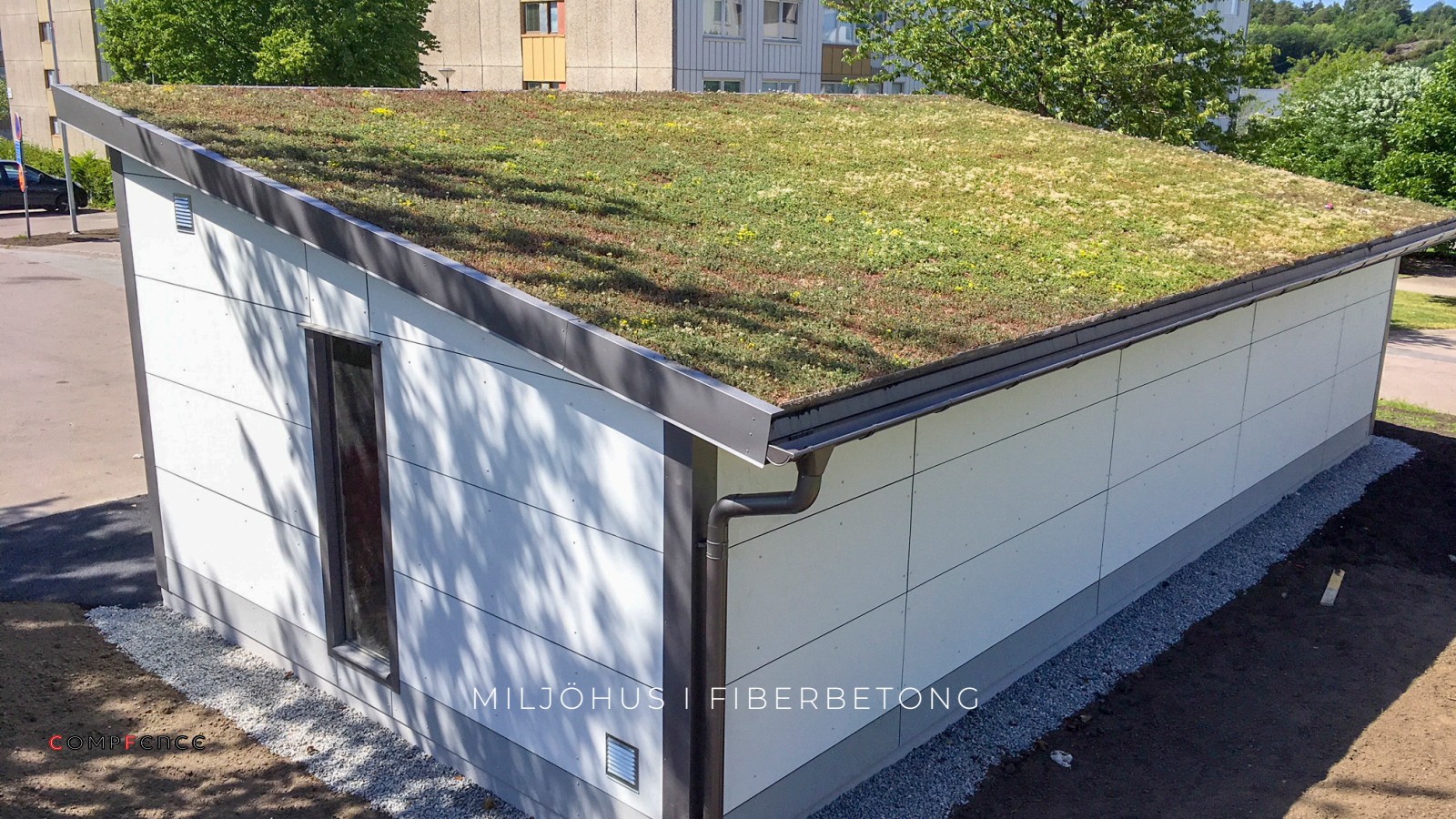
Project Kungälv
Modern waste sorting station in an urban environment with optimal accessibility and ventilation according to municipal guidelines.
Ensure Your Property Meets Legal Requirements
Contact us today to discuss how we can help you meet the new legal requirements for environmental centers and waste sorting. We offer free consultation and tailored solutions for your property.
With over 10 years of experience, we help housing cooperatives and property owners navigate the regulations and implement sustainable solutions that meet both current and future requirements.